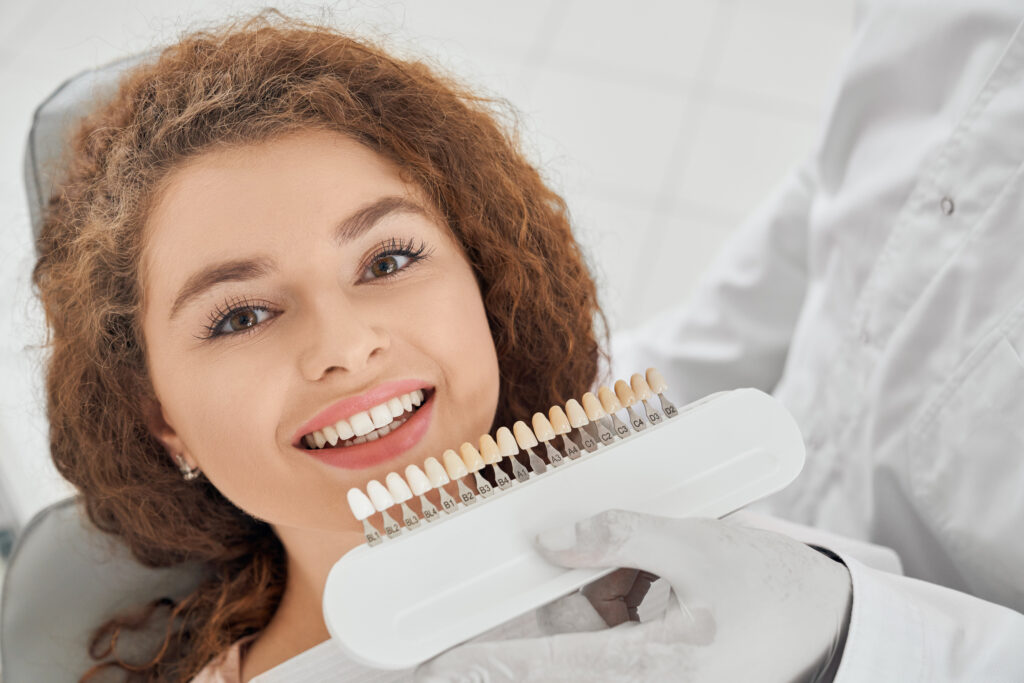
When performed under professional supervision and following correct protocols, teeth whitening is both a secure and highly reliable method for enhancing the radiance of your smile.
What is Teeth whitening?
This popular cosmetic dental procedure is designed to reduce discoloration and eliminate stubborn stains, effectively lightening the natural shade of your teeth.
. How does bleaching works?
Whitening treatments utilize peroxide-based substances, typically hydrogen or carbamide peroxide. These bleaching agents penetrate the tooth to break concentrated stains into smaller fragments, which minimizes the intensity of the discoloration and results in a much brighter appearance.
.Causes of Teeth staining and discoloration:
Tooth discoloration generally arises from three main sources: extrinsic factors, intrinsic issues, or the natural effects of aging.
1. Extrinsic Stains (surface stains)
These stains form on the outer enamel layer of the tooth:
Foods and drinks: Dark-colored items like red wine, coffee, tea, berries, and soy sauce are common culprits.
Tobacco: Both smoking and chewing tobacco products leave behind yellow or brown marks.
Poor oral hygiene: Inadequate brushing and flossing allow plaque and tartar to build up, which easily traps stains.
Mouth rinses: Specific therapeutic rinses containing ingredients like chlorhexidine can lead to staining.
Medications: Certain liquid medicines or iron supplements can occasionally discolor the enamel.
2. Intrinsic Stains (within the tooth structure)
These deeper stains affect the inner dentin layer and are typically more difficult to address:
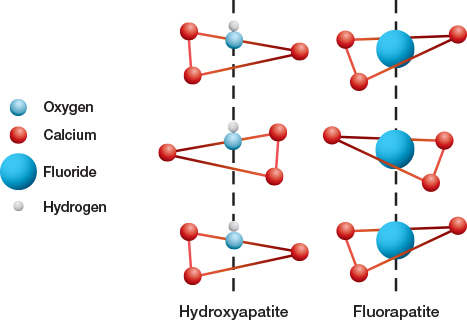
Fluorosis: Caused by overexposure to fluoride during the early stages of tooth development.
Tetracycline or doxycycline: Use of these antibiotics during pregnancy or early childhood can lead to internal gray or brown discoloration.
Trauma: Injuries to a tooth can cause internal bleeding or changes in the dentin that result in darkening.
Dental restorations: Older silver (amalgam) fillings may cause the surrounding tooth structure to darken over time.
3. Age-related Discoloration
This is a natural process where the outer enamel thins over the years, revealing the yellowish dentin underneath. Additionally, decades of consuming staining substances lead to a cumulative dulling of the smile.
. Other Contributing Factors
Genetics: Individual natural tooth shades and enamel thickness are often inherited.
Diseases and treatments: Certain medical conditions and treatments, such as chemotherapy or radiation therapy to the head and neck, can impact tooth color.
Environmental factors: Exposure to high levels of specific minerals during childhood development.
. Types of Dental Bleaching:
Patients can generally choose from three primary bleaching methods: professional in-office treatments, dentist-supervised home kits, and over-the-counter options.
IN-OFFICE/ CHAIRSIDE BLEACHING
Conducted entirely by a dentist, this is the fastest and most potent whitening method. It utilizes high concentrations of hydrogen peroxide (15–40%) and is frequently boosted by laser or light activation. The entire procedure is usually finished in a single session lasting one to two hours.
AT-HOME BLEACHING
For this method, a dentist provides custom-fitted trays and professional-grade bleaching gel for use at home. Patients receive specific instructions on how long to wear the trays each day, with the full process typically taking several days to a few weeks.
Internal Bleaching
This specialized treatment is designed for non-vital teeth, such as those that have undergone a root canal. The whitening agent is placed directly inside the tooth and sealed temporarily to correct discoloration caused by internal trauma or pulp necrosis.
OVER THE COUNTER BLEACHING PRODUCTS
These include widely available items like whitening strips, gels, and toothpastes. While convenient, these products generally have lower concentrations of active ingredients and are less effective than professional alternatives.
. Is Teeth Whitening Safe?
Teeth whitening is safe when used correctly, though some temporary side effects may occur, such as gum irritation or tooth sensitivity to hot and cold temperatures. Research indicates that peroxide-based treatments at safe levels do not cause permanent damage to the enamel or soft tissues. Any temporary dehydration of the enamel typically resolves within a few days.
. Who Should Avoid Whitening?
Whitening is generally not recommended for individuals with active gum disease or untreated cavities. It should also be avoided by those with hypersensitive teeth, children under 16 whose enamel is still developing, and women who are pregnant or breastfeeding.
. Teeth Whitening Maintenance Tips
Avoid Staining Foods & Drinks: Because teeth are more porous immediately after whitening, they are highly susceptible to stains from coffee, wine, and dark sauces.
Quit Smoking or Vaping: Tobacco products are a leading cause of deep, stubborn yellow-brown stains.
Brush and Floss Daily: Maintain hygiene with a soft-bristled brush and fluoride toothpaste to prevent plaque-related discoloration.
Rinse After Meals or Drinks: Swishing with water after eating helps remove staining residues.
Use a Straw for Dark Liquids: This helps direct staining beverages away from the front surfaces of your teeth.
Regular Dental Cleanings: Schedule professional cleanings every six months to keep your smile bright.
Touch-Up Treatments: Since whitening is not permanent, you may need a refresh every 6–12 months.
Eat “Whitening” Foods: Crunchy items like carrots, apples, and celery help mechanically clean your teeth while you chew.
Avoid Acidic Foods Right After Whitening: For 24–48 hours post-treatment, skip acidic items like citrus and soda, which can soften enamel and invite stains.
. Teeth whitening vs Scaling
| Feature | Teeth Whitening | Scaling |
| Purpose | Purely cosmetic lightening of the tooth’s shade | Enhancement of gum health and oral hygiene |
| Method | Chemical-based bleaching | Mechanical removal of tartar and plaque |
| Tools | Professional gels, strips, or custom trays | Manual or ultrasonic scaling instruments |
| Effect on Stains | Addresses both internal and surface-level stains | Only removes surface-level stains |
| Health Benefits | Mainly focused on aesthetic improvement | Crucial for preventing tooth decay and gum disease |
. Cost of Teeth Whitening in KPHB, Hyderabad
Pricing for whitening services in the KPHB area varies based on the chosen method:
Professional In-Office Whitening: Standard bleaching typically costs between ₹5,000 and ₹8,000, while advanced laser whitening can range from ₹12,000 to over ₹20,000.
Take-Home Whitening Kits: Dentist-supervised kits generally fall between ₹3,000 and ₹7,000.
Over-the-Counter (OTC) Products: Strips or gels are the most affordable at ₹500 to ₹2,000, but they offer more gradual results.
. NOTE:
For professional and safe teeth whitening in KPHB or surrounding Hyderabad locations, Solitaire Family Dentistry is ready to help! Contact us via phone or WhatsApp at 6281497455 to brighten your smile.