
Why Early Dental Care Matters
Developing consistent oral hygiene habits between the ages of 3 and 10 is the best way to prevent common issues like cavities, gum disease, and bite misalignment. This specific window is a “golden period” for dental growth, setting the foundation for a lifetime of healthy smiles.
Essential Preventive Measures for Your Child
1. Build a Rock-Solid Hygiene Routine
Brushing Excellence: Children should brush at least twice daily with fluoride toothpaste. Since every child’s teeth are as unique as their fingerprints, personalized care matters! Use character brushes or play a favorite two-minute song to make the session fun. Remember to replace brushes every three months or after a cold/flu.
The Power of Flossing: Once teeth begin to touch, it’s time to floss. Parents should assist children until they develop the manual dexterity (usually around age 8–10). Use pre-threaded flossers or floss holders to make the process easier for small hands, and teach them to use a gentle “C-shape” against each tooth.
2. Smart Snacking and Sugar Limits
To fight tooth decay, it is vital to reduce sugary and acidic snacks. For children aged 2 and up, keep added sugar below 25 grams (about 6 teaspoons) daily. For toddlers under 2, avoid added sugars entirely. Swap sweets for tooth-friendly alternatives like fresh vegetables, dairy products, and crisp fruits.
3. Consistency with Dental Checkups
Early detection is key. Your child should visit a pediatric dentist by their first birthday. Pediatric specialists at Solitaire Family Dentistry use kid-sized equipment and vibrant, friendly decor to ensure your child feels relaxed and comfortable during their visit.
4. The Benefits of Fluoride Treatments
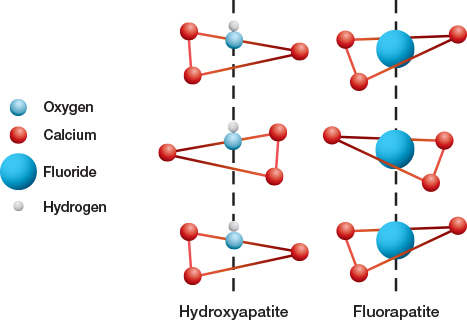
Fluoride is a natural shield for enamel. Use a tiny “rice-grain” smear of toothpaste for kids under 3 and a “pea-sized” amount for ages 3–6. Professional fluoride varnishes or gels applied during your dental visit provide an extra layer of protection that lasts for months.
5. Pit and Fissure Sealants
Sealants are a quick, non-invasive way to protect the deep grooves of molars where cavities often start. This protective coating acts as a barrier against bacteria. They are cost-effective, long-lasting, and can significantly reduce the risk of decay in permanent teeth.
6. Safety During Sports and Play
If your child is active in sports like basketball, skating, or gymnastics, a mouthguard is non-negotiable.
Why They Matter: They cushion impacts, preventing chipped teeth, jaw fractures, and soft tissue lacerations.
Types: You can choose from stock, boil-and-bite, or custom-fitted mouthguards (provided by your dentist) for the highest level of protection.
Maintenance: Rinse after every use, deep clean weekly with diluted vinegar, and store in a ventilated case.
Managing Common Oral Habits
Thumb Sucking: Ideally, this should stop by age 4. Try reminder methods like bandages or consult us if the habit persists.
Tongue Thrusting: If you notice speech issues or bite changes, early orthodontic check-ups (by age 7) can help.
Mouth Breathing: Often caused by allergies or enlarged adenoids. Adjusting sleep posture and consulting an ENT can help prevent facial development issues.
Nail & Lip Biting: Often stress-related. Using bitter polish or applying lip balm can help break these cycles.
Note: Are you looking for ways to prevent cavities in kids naturally or need the best brushing tips for children? You aren’t alone! At Solitaire Family Dentistry in KPHB, Hyderabad, we provide personalized care—from fluoride treatments to complete hygiene routines—to help your little ones smile with confidence