A vibrant smile is about much more than just the shade of your teeth; it relies on the strength of your gums, the freshness of your breath, and the harmony of your dental alignment. One frequent challenge for both kids and adults is dental crowding. Beyond the aesthetic impact, crowded teeth can create “hiding spots” for plaque, making it difficult to maintain hygiene and significantly increasing the risk of gum disease and tooth decay. In this blog, we will explore everything you need to know about teeth crowding from symptoms to treatment options—so you can make the best decision for your dental health.
What is Teeth Crowding?
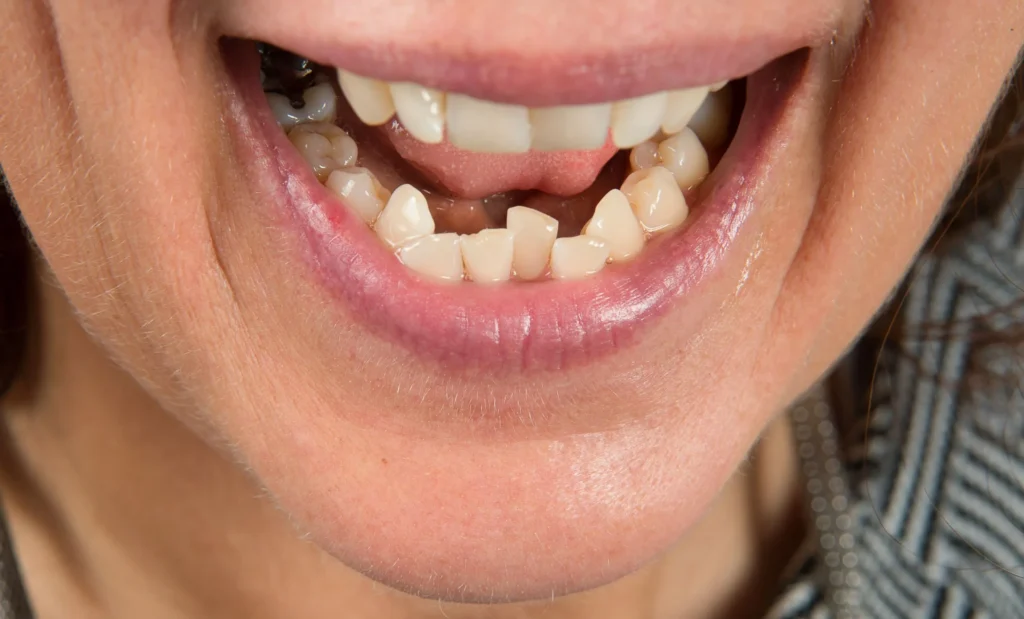
Teeth crowding is a prevalent orthodontic issue where there simply isn’t enough room in the jaw to accommodate all your teeth. When the dental arch is too small, teeth are forced to overlap, twist, or shift toward the front or back to find space. This lack of room compromises both the beauty of your smile and the functional efficiency of your bite.
What Causes Crowded Teeth?
While a simple lack of space is the primary culprit, several factors influence why crowding occurs. Often, it is a matter of genetics; you might inherit a small jaw from one parent and larger teeth from the other. Early loss of baby teeth can cause surrounding teeth to “drift” into the gap, blocking the path for adult teeth. Conversely, if baby teeth stay in too long, they can act as physical barriers.
Childhood habits like thumb-sucking, prolonged use of a pacifier, or tongue thrusting also shape the way the jaw develops. Interestingly, our modern diet plays a role; because we eat softer, processed foods, our jaws aren’t “exercised” enough to reach their full developmental size. Finally, conditions like hyperdontia (extra teeth) can lead to a cramped dental arch.
Symptoms of Crowded Teeth:
Crowding often presents symptoms that go beyond what you see in the mirror. While visible overlapping or twisted teeth are common, the most significant issue is the difficulty in cleaning those tight spaces. This often leads to persistent plaque buildup, bleeding gums, and cavities.
Functionally, crowding can cause a “bad bite,” making chewing or speaking uncomfortable. Some patients suffer from jaw tension or TMJ pain because their muscles are working harder to compensate for the misalignment. In severe cases, the uneven pressure can lead to cracked or prematurely worn enamel. Emotionally, many people find themselves hiding their smiles due to a lack of confidence in their appearance.
Types of Dental Crowding
Teeth crowding can generally be categorized into three main types based on the underlying cause:
Genetic or Hereditary Crowding This is often a family trait. If a parent has a naturally narrow palate or small jaw, their children are likely to experience similar spatial issues when their adult teeth begin to emerge.
Crowding Caused by Oral Habits Myofunctional habits during early childhood can disrupt jaw growth. Constant pressure from a thumb or pacifier can narrow the dental arch, leaving the permanent teeth with nowhere to go but to overlap.
Crowding Due to Wisdom Teeth Eruption As the third molars (wisdom teeth) attempt to emerge in late adolescence, they can exert pressure on the entire arch. If the jaw is already full, this “pushing” effect can cause the front teeth to shift and crowd together.
Crowding due to diet The modern preference for soft foods means our jaws are no longer stimulated to grow through vigorous chewing. This lack of developmental “exercise,” combined with certain nutritional deficiencies, often results in smaller jaw structures than those of our ancestors.
Degrees of Crowding:
Crowding of the teeth can be classified into three main degrees based on the amount of space missing in the dental arch and the severity of misalignment.
Mild crowding: Usually involves only one or two teeth with less than 3 mm of missing space. It often appears as a slight rotation or minor overlap.
Moderate crowding: Occurs when 3 to 5 mm of space is lacking. In this stage, multiple teeth are visibly pushed out of their ideal positions.
Severe Crowding: This involves a space deficiency of 6 mm or more. Teeth may be significantly rotated, impacted, or forced to erupt entirely outside the natural jawline.
Teeth Crowding Treatment Options:
There are several effective treatment options available depending on the severity of the crowding your age and overall dental health.
For minor cases (less than 3 mm of crowding), we may recommend Interproximal Reduction (IPR), where tiny amounts of enamel are smoothed between teeth to create just enough room for them to sit straight. Cosmetic veneers can also be used to mask very slight rotations.
For mild to moderate cases, Clear Aligner Therapy (like Invisalign) is a popular, nearly invisible way to guide teeth into position using a series of removable trays.
For more complex or severe crowding (3–6 mm or more), Orthodontic Braces are often the gold standard. You can choose from traditional metal braces, discreet ceramic (clear) braces, or self-ligating braces that offer faster results with less friction. For those seeking total invisibility, lingual braces are placed on the back of the teeth.
In cases of extreme crowding, a tooth extraction (often a premolar) may be necessary to unlock the “traffic jam” in your mouth, allowing the remaining teeth to be moved into a perfect, healthy alignment. Once treatment is finished, wearing a retainer is essential to ensure your teeth don’t shift back to their old positions.
For children, early intervention is key. Palatal expanders or space maintainers can guide the jaw to grow correctly, often preventing the need for surgery or extractions later in life. We also use habit-breaking appliances to stop thumb-sucking before it causes permanent damage.
Note:
Teeth crowding is a common issue, but it doesn’t have to hold you back from a healthy, confident smile. At Solitaire Family Dentistry, KPHB, Hyderabad, we provide advanced orthodontics and cosmetic treatments for both children and adults. Whether you need braces, aligners, or preventive care for your child, our team is here to guide you every step of the way.
Visit Solitaire Family Dentistry, KPHB – because a straighter smile is not just about looks; it’s about your health, too. Call us today at 6281497455 to book your consultation.