
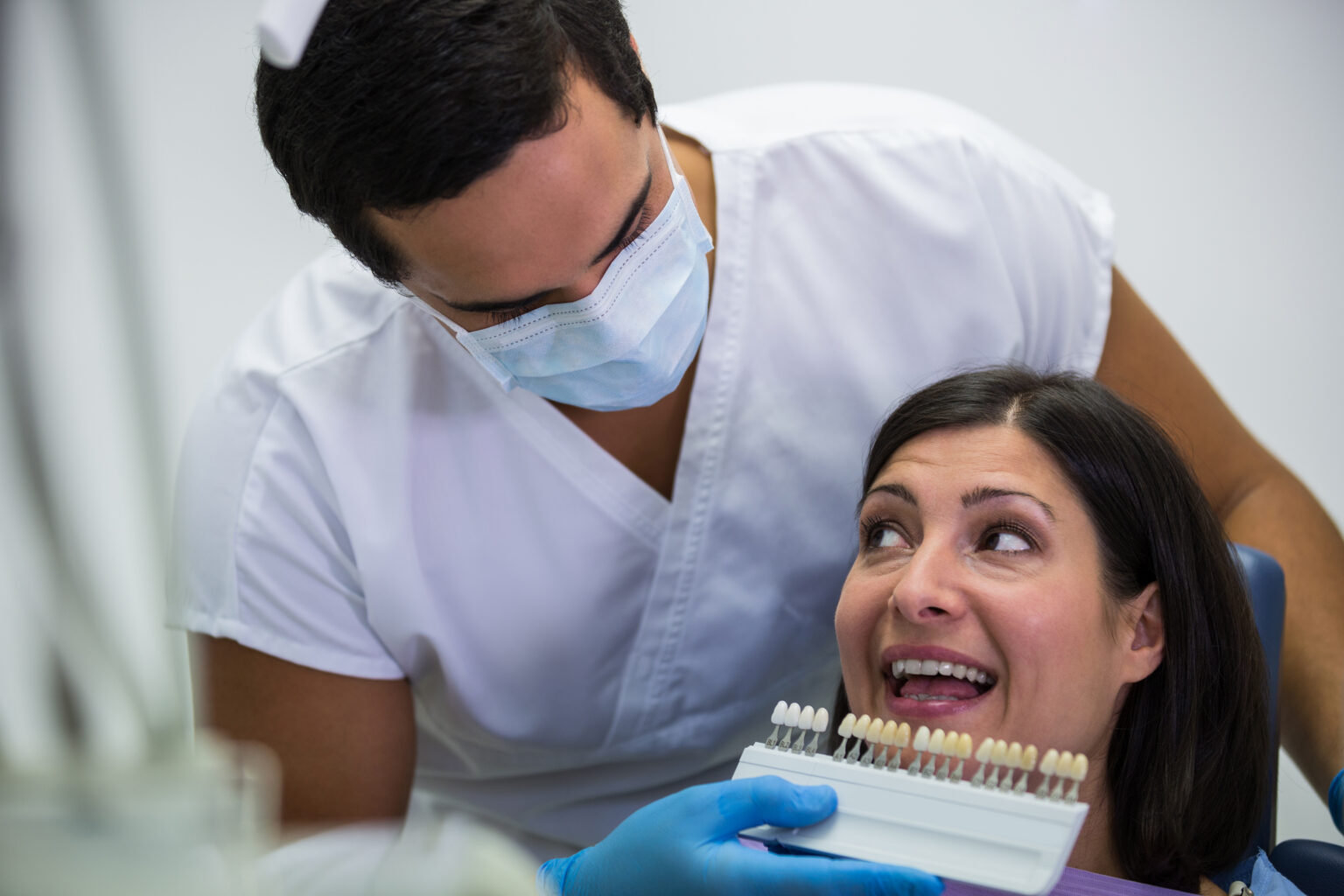
A missing tooth may seem like a small problem, but over time it can lead to bigger issues— difficulty chewing, speech changes, shifting teeth, jawbone loss, and reduced confidence. Modern dentistry offers two popular solutions: dental implants and dentures. While both replace missing teeth, they work very differently.
Understanding these differences can help you make the right long-term choice.
Why Replacing a Missing Tooth Is Important
When a tooth is lost and not replaced, several problems can occur:
- Adjacent teeth may shift into the empty space
- Jawbone begins to shrink due to lack of stimulation
- Bite alignment can change
- Chewing efficiency decreases
- Facial structure may sag over time
Replacing a missing tooth isn’t just cosmetic— it’s essential for oral health.
Dental Implants: A Permanent Tooth Replacement
A dental implant is considered the closest replacement to a natural tooth. It replaces both the tooth root and crown, offering strength and stability.
How Dental Implants Work
- A titanium implant is placed into the jawbone
- The bone heals and fuses with the implant (osseointegration)
- A crown is attached to restore function and appearance
Advantages of Dental Implants
- Permanent and stable – no movement or slipping
- Natural appearance – blends seamlessly with your teeth
- Preserves jawbone – prevents bone loss
- Improves chewing power – eat normally without restrictions
- No special maintenance – brush and floss like natural teeth
Disadvantages of Dental Implants
- Higher initial cost
- Requires surgery
- Healing period may take several months
- May require bone grafting if bone density is low
Dentures: A Traditional and Affordable Option
A partial denture is a removable appliance used when one or more teeth are missing.
How Dentures Work
Dentures sit on the gums and may be supported by clasps or adhesive. They restore appearance and basic function but do not replace the tooth root.
Advantages of Dentures
Lower upfront cost Non-surgical Quick solution Suitable for patients with bone loss or medical conditions
Disadvantages of Dentures
- Can feel bulky or uncomfortable
- May slip while eating or speaking
- Requires daily removal and cleaning
- Does not prevent jawbone loss
- May need replacement every 5–7 years
Cost Comparison: Implant vs Denture
Factor Dental Implant Denture
Initial Cost Higher Lower
Long-Term Cost Often lowe Higher over time
Maintenance Minimal Ongoing Replacement Rare Frequent
Comfort and Lifestyle Differences Dental Implants
- Feel like natural teeth
- No dietary restrictions
- No removal needed
- Greater confidence in social situations
Dentures
- May limit certain foods
- Need removal at night
- Possible sore spots
- Can affect speech initially
Who Is a Ideal Candidate?
Ideal Candidates for Dental Implants
- Good general and oral health
- Adequate jawbone density
- Non-smokers or willing to quit
- Looking for a long-term solution
Ideal Candidates for Dentures
- Limited budget
- Medical conditions preventing surgery
- Significant bone loss
- Temporary tooth replacement needs
Maintenance and Care Implants
- Brush twice daily
- Floss regularly
- Routine dental checkups
Dentures
- Remove and clean daily
- Soak overnight
- Clean gums and remaining teeth
- Periodic relining or
NOTE:
Choosing the right solution for a missing tooth is easier with expert care. Visit Solitaire Family Dentistry for a personalized consultation and discover whether a dental implant or denture is right for you. Call us at 6281497455 Schedule your appointment today and restore your healthy, confident smile.
Frequently Asked Questions
The procedure is done under anaesthesia, and most patients report minimal discomfort afterward
Yes, modern dentures can look good, but they rarely match the realism of implants
With proper care, implants can last 20 years or even a lifetime
Yes, but prolonged denture use may lead to bone loss, making implants more complex later.