
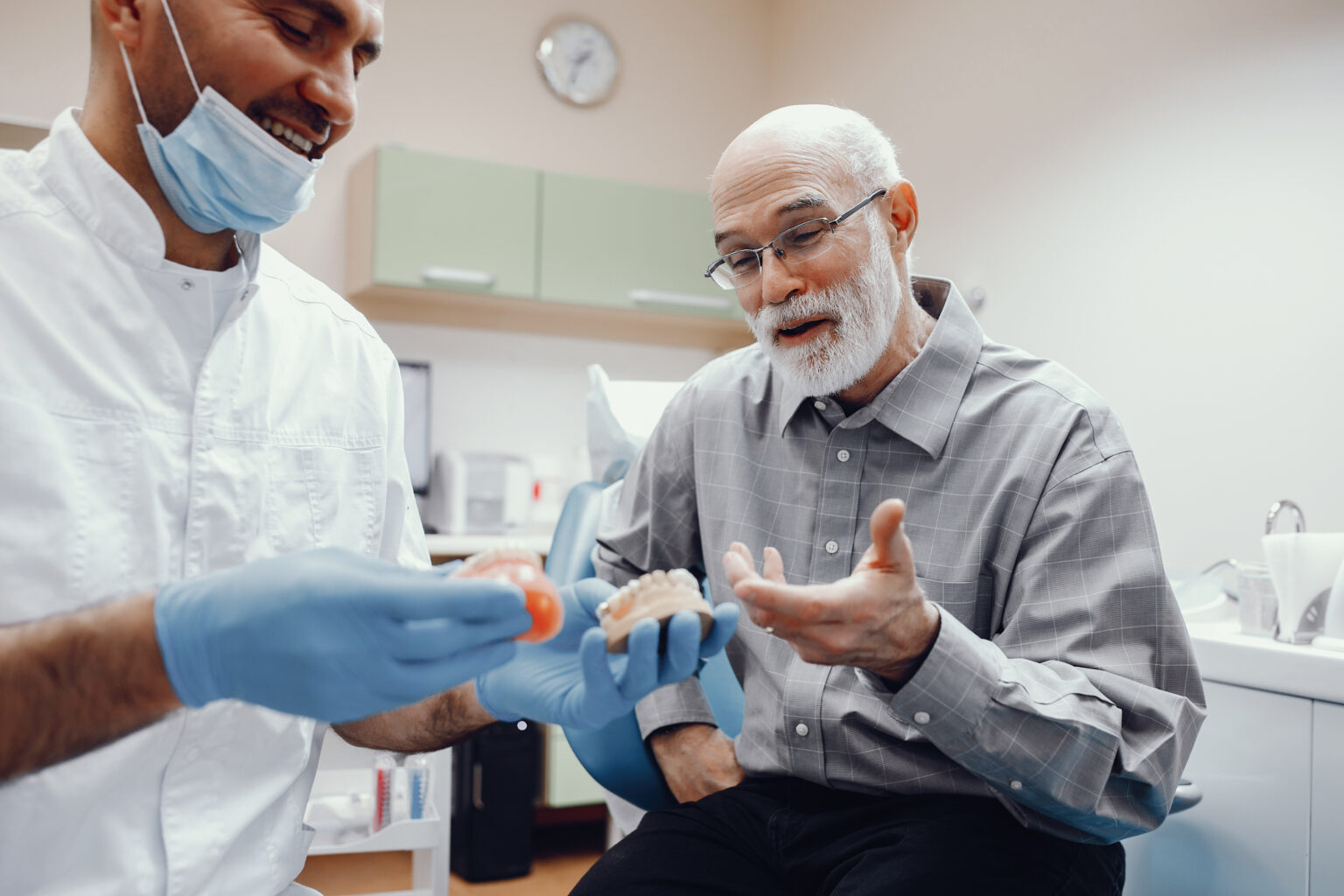
Yes, dental implants can be done for patients above 60 years of age. Many seniors wonder if dental implants for patients above 60 years of age work as effectively as they do in younger adults, and whether the procedure is safe, comfortable, and long-lasting. Dental implants are safe, predictable, and can significantly improve quality of life for older adults. They restore chewing ability, speech, and confidence—no age limit required.
Understanding Dental Implants
A dental implant is a small, screw-like post, usually made of titanium, that acts as an artificial tooth root. It is surgically placed into the jawbone and fuses with the bone in a process called osseointegration. This provides a stable foundation for a replacement tooth, known as a crown, which looks and functions like a natural tooth. Dental implants for seniors are designed to be durable, safe, and long-lasting, offering a permanent solution to missing teeth.
Why Age Isn’t a Barrier for Dental Implants
The misconception that older adults are too old for dental implants is common. In reality, patients in their 60s, 70s, and even 80s can successfully receive implants. Eligibility depends on overall health, bone density, and oral hygiene, not age alone. With careful planning and professional evaluation, seniors can safely enjoy the benefits of dental implants for elderly patients.
Key Factors to Consider Before Getting Dental Implants
Bone Density and Jaw Health A strong jawbone is essential for successful implant placement. Over time, missing teeth or conditions like osteoporosis may cause bone loss. Seniors may require a bone graft to ensure the jaw can support the implant securely. A dentist can evaluate jawbone health and provide a personalized treatment plan for safe dental implants for elderly patients.
Overall, Health Conditions
Chronic health conditions like diabetes, heart disease, or osteoporosis can affect healing. A thorough evaluation by your dentist and possibly your physician ensures any necessary adjustments are made for a successful dental implant procedure for seniors.
Healing Ability
Older adults may experience slightly slower healing due to immune system function,
medications, or lifestyle habits such as
smoking. With proper post-operative care, most seniors heal well and adapt comfortably to their new implants.
Types of Dental Implants Suitable for Seniors
Single Tooth Implants: Replace one missing tooth without affecting adjacent teeth.
Implant-Supported Bridges: Replace multiple teeth in a row with fewer implants.
Implant-Supported Dentures: Secure dentures that improve comfort and chewing ability.
Dental implants for elderly patients are highly customizable to fit each individual’s needs.
Benefits of Dental Implants for Seniors Long-Lasting Solution: Designed to last
decades, unlike dentures that require frequent adjustments.
Better Comfort and Functionality: Work like natural teeth, improving speech and chewing.
Prevention of Bone Loss: Stimulate the jawbone to prevent further deterioration.
Enhanced Confidence: Provide a permanent solution to missing teeth, restoring self-esteem and a natural smile.
Dental Implant Process: What Seniors Can Expect
Initial Consultation Your dentist will evaluate your oral health, take X-rays, and discuss your personalized treatment options.
Implant Placement
Under local anaesthesia, a titanium post is surgically inserted into your jawbone, acting as a new tooth root.
Healing Period
Over a few months, the implant fuses with the jawbone through osseointegration, forming a strong and stable foundation.
Abutment and Crown Placement
Once the implant is healed, a custom crown is attached to the implant via an abutment. The tooth is now fully functional and looks natural.
Recovery Timeline for Seniors After Dental Implants
First 24–48 hours: Mild swelling or discomfort, manageable with prescribed medications.
First 1–2 weeks: Healing of soft tissue, continued pain management if needed.
First 3–6 months: Osseointegration occurs, forming a stable foundation.
After 6 months: Crown placement completes the treatment, allowing normal chewing and speech.
Pain-free dental implants for seniors are achievable with modern anaesthesia and sedation techniques.
Diet and Nutrition Tips After Dental Implants
Stick to soft foods like soups, yogurt, and mashed vegetables during healing. Gradually reintroduce harder foods as recommended by your dentist. Avoid smoking and excessive alcohol, which can slow healing. Following these tips ensures long-term success of dental implants for patients above 60 years of age.
Common Myths About Dental Implants for Seniors
“I’m too old for dental implants.” – Age is not a limiting factor; health and jawbone quality matter more.
“The process is painful.” – Most patients report minimal discomfort, comparable to a routine tooth extraction.
“Implants require high maintenance.” – They require the same care as natural teeth: brushing, flossing, and regular dental visits.
Note: Contact solitaire Family Dentistry in Hyderabad at 6281497455 today to learn more about dental implants for elderly patients and schedule a consultation. Restore your smile, confidence, and quality of life with a permanent solution designed to last a lifetime.
Frequently Asked Questions
Dental implants are safe and effective for most patients over 60 with good overall health.
No. There is no upper age limit for getting dental implants.
Bone loss can often be managed with bone grafting or advanced implant techniques
The procedure causes minimal discomfort and is usually well tolerated
Yes, if conditions like diabetes or blood pressure are well controlled