
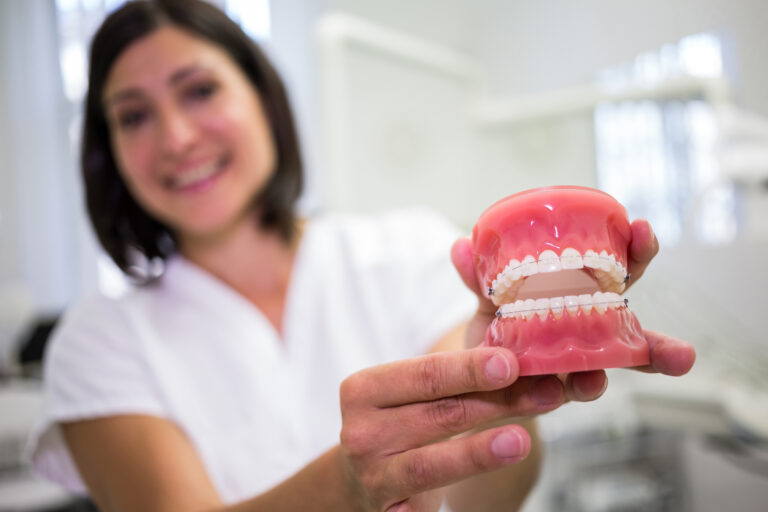
Many people unknowingly clench or grind their teeth during the day, especially while working, driving, or dealing with stress. While occasional teeth grinding may not seem serious, frequent daytime grinding can lead to long-term dental problems and jaw discomfort.
At Solitaire Family Dentistry, we often help patients identify and treat the effects of daytime teeth grinding, also known as awake bruxism. Understanding the causes, symptoms, and treatment options can help
protect your teeth and improve your oral health.
What Is Daytime Teeth Grinding?
Daytime teeth grinding, or awake bruxism, happens when a person unconsciously clenches, grinds, or presses their teeth together while awake. Unlike nighttime grinding, daytime bruxism is often connected to stress, anxiety, concentration, or certain lifestyle habits. Many people are unaware they are grinding their teeth until they begin experiencing symptoms such as jaw pain or tooth sensitivity.
Is Teeth Grinding During the Day Harmful?
Yes, frequent daytime teeth grinding can be harmful if left untreated. Continuous pressure on the teeth and jaw muscles can gradually damage your oral health and create discomfort.
Common Effects of Daytime Teeth Grinding Tooth Wear and Damage
Constant grinding can wear down tooth enamel, making teeth more sensitive and vulnerable to cracks, chips, and cavities.
Jaw Pain and TMJ Disorders
Teeth grinding places stress on the jaw joints and muscles, potentially leading to temporomandibular joint disorder (TMJ or TMD). Symptoms may include:
- Jaw soreness
- Clicking sounds when chewing
- Difficulty opening the mouth
- Facial pain
Headaches and Facial Tension
Many people with bruxism experience tension headaches, especially around the temples and forehead.
Tooth Sensitivity
As enamel wears away, teeth may become more sensitive to hot, cold, or sweet foods and drinks.
Gum Recession
Excessive grinding pressure can contribute to gum irritation and recession over time.
What Causes Daytime Teeth Grinding?
Several factors can contribute to awake bruxism.
Stress and Anxiety
Stress is one of the most common causes of daytime teeth clenching and grinding. Many people tighten their jaw muscles during stressful situations without realizing it.
Concentration Habits
Some individuals grind their teeth while focusing on tasks such as working on a computer, studying, or driving.
Sleep Disorders
People who grind their teeth at night may also experience daytime bruxism.
Lifestyle Factors
Excessive caffeine, smoking, and alcohol consumption may increase the risk of teeth grinding.
Bite Problems
Misaligned teeth or bite issues can sometimes contribute to grinding habits.
Signs You May Be Grinding Your Teeth During the Day
You may have daytime bruxism if you notice:
- Jaw tightness or soreness
- Frequent headaches
- Tooth sensitivity
- Flattened or worn teeth
- Chipped teeth
- Ear pain without infection
- Facial muscle fatigue
A dentist can evaluate your symptoms and identify signs of grinding-related damage.
How to Stop Daytime Teeth Grinding
Fortunately, there are several effective ways to manage awake bruxism and protect your teeth.
Become Aware of Clenching
Many people grind their teeth unconsciously. Pay attention to your jaw position throughout the day. Your teeth should remain slightly apart when you are not eating.
Reduce Stress
Stress management techniques may help reduce grinding habits. Consider:
- Meditation
- Exercise
- Deep breathing
- Yoga
- Relaxation techniques
Limit Caffeine
Reducing caffeine intake may decrease muscle tension and jaw clenching.
Use a Mouthguard
A custom dental mouthguard can protect teeth from grinding damage, especially if nighttime grinding is also present.
Correct Bite Problems
In some cases, dental treatments may help improve bite alignment and reduce grinding pressure.
When Should You See a Dentist?
You should schedule a dental appointment if you experience:
- Persistent jaw pain
- Frequent headaches
- Tooth sensitivity
- Cracked or worn teeth
- Difficulty chewing
- Clicking or locking jaw joints
Early treatment can help prevent serious dental damage and relieve discomfort.
Protect Your Smile with Professional Dental Care
At Solitaire Family Dentistry, we provide personalized solutions for teeth grinding, TMJ discomfort, and preventive dental care. Our team can evaluate your symptoms, identify signs of bruxism, and recommend treatments to protect your long-term oral health.Whether you need a custom mouthguard, restorative dental care, or a comprehensive dental exam, we are here to help you maintain a healthy, comfortable smile.
Schedule Your Dental Appointment Today
Ignoring daytime teeth grinding can lead to lasting dental problems. If you are experiencing jaw pain, headaches, or tooth sensitivity, contact Solitaire Family Dentistry today to schedule a professional evaluation and protect your smile from bruxism-related damage.
Frequently Asked Questions
Stress, anxiety, and concentration are the most common causes.
Stress, anxiety, and concentration are the most common causes.
Yes, it can wear down enamel and lead to cracked or sensitive teeth.
Yes, grinding can strain jaw muscles and cause TMJ discomfort
Jaw tightness, headaches, and worn teeth are common warning signs.