Solitaire Family Dentistry

Blog

Your blog category

Blog

Veneers vs Dental Crowns: Which Cosmetic Option is Right for You?

Veneers and Crowns are two of the most popular dental treatments that can restore your teeth and enhance your smile but they serve different purposes. Understanding the difference between veneers and crowns will help you make the right choice for your smile and long-term dental health. What is Teeth Crowding? Dental veneers are ultra-thin custom- made shells designed to cover the visible front surface of teeth enhancing their overall appearance. Veneers are ideal for: . Hiding discoloration or stubborn stains .Closing small gaps between teeth or misalignment issues . Correcting minor chips cracks or uneven teeth Composite resin veneers or porcelain veneers offer a durable and natural-looking ways to transform your smile. Pros of Veneers   · Preserves Tooth Structure The veneer prep process involves less enamel removal preserving more of the natural teeth. · Cosmetic Enhancement Veneers are ideal for fixing minor issues like discoloration, small chips or gaps. · Natural Appearance Porcelain veneers provide a translucent natural-looking finish. · Stain Resistance Porcelain veneers resist stains keeping your smile bright. Cons of Veneers Durability  Veneers are thinner and less durable than crowns for heavily damaged teeth. · Not for Severe Damage Veneers are not suitable for decayed or structurally weak teeth. · Potential Chipping Veneers can chip under high pressure or grinding without protection. What are Dental Crowns Dental crowns are tooth-shaped caps designed to cover fully and protect a damaged decayed or weakened tooth. They are commonly used in tooth restoration to restore the tooth’s shape, size, and functionality. Crowns are often made from durable materials like porcelain, ceramic, or metal, with porcelain crowns being a popular choice for their natural appearance and strength. Crowns are ideal for: . Severely decayed or damaged teeth . Teeth that had root canal treatment . Large fillings that weaken the tooth . Broken or worn -down teeth Pros of Crowns Full Coverage Crowns cover the entire tooth providing strength and protection for severely damaged teeth. · Restorative Function Crowns restore chewing and structural support. · Material Variety Crown materials are more durable C offer natural aesthetics. · Longevity Crowns are highly durable often lasting over a decade with proper care. Cons of Crowns More Invasive The crown prep process requires significant removal of tooth structure.  Cost Crowns tend to be more expensive than veneers. Aesthetic Limitations While crowns are functional veneers may look more refined for front teeth. The Difference Between Veneers and Crowns Feature Veneers Crowns Coverage Covers only the front surface of the tooth. Encases the entire tooth. Purpose Mainly cosmetic (fixing discoloration, gaps, minor chips). Both cosmetic And restorative (repairing damaged or decayed teeth). Tooth Prep Requires minimal enamel removal. Requires significant reshaping. Material Usually, porcelain or composite resin.                                  Made of porcelain, ceramic, or a mix. Durability Less durable, best for healthy teeth with minor issues.                                        Highly durable, ideal for damaged or weak teeth. Ideal Use Enhancing the look of front teeth.                                           Restoring function and structure in any tooth. Appearance Looks natural but less strong for high-pressure areas.        Less durable, best for healthy teeth with minor issues. Cost Usually more affordable than crowns.           More expensive due to full-tooth coverage and prep.   Veneers vs Crowns: How to Make the Right Choice? When choosing veneers or crowns the best option relies on your dental goals: Choose Veneers if your teeth are healthy but need cosmetic C smile opt for Crowns when the tooth requires repair reinforcement, or Consider Consultation: Contact your dentist to assess your dental health and recommend the most suitable treatment for your needs. Why Choose Porcelain-Based Veneers Crowns? Porcelain is a popular material for both veneers and crowns because it closely mimics the look of natural teeth. It is stain- resistant, highly durable, and provides a long-lasting, natural smile. While composite veneers and metal crowns are alternatives, porcelain offers the best balance of aesthetics and strength. If you’re looking for a lifelike durable solution porcelain is a great choice for both cosmetic and restorative treatments. NOTE:  Choosing between veneers and crowns depends on your dental needs oral health and the aesthetic results you are aiming for. The right option can only be determined after a professional evaluation. At Solitaire Family Dentistry we are here to guide you through the decision with personalised care and expert advice. If you are considering improving your smile or restoring damaged teeth book your appointment today call us at 6281497455 and start your journey towards a brighter and healthier smile  

Veneers vs Dental Crowns: Which Cosmetic Option is Right for You? Read Post »

Blog

Teeth Crowding: Causes, Symptoms, and Treatment Options

A vibrant smile is about much more than just the shade of your teeth; it relies on the strength of your gums, the freshness of your breath, and the harmony of your dental alignment. One frequent challenge for both kids and adults is dental crowding. Beyond the aesthetic impact, crowded teeth can create “hiding spots” for plaque, making it difficult to maintain hygiene and significantly increasing the risk of gum disease and tooth decay. In this blog, we will explore everything you need to know about teeth crowding from symptoms to treatment options—so you can make the best decision for your dental health. What is Teeth Crowding? Teeth crowding is a prevalent orthodontic issue where there simply isn’t enough room in the jaw to accommodate all your teeth. When the dental arch is too small, teeth are forced to overlap, twist, or shift toward the front or back to find space. This lack of room compromises both the beauty of your smile and the functional efficiency of your bite. What Causes Crowded Teeth? While a simple lack of space is the primary culprit, several factors influence why crowding occurs. Often, it is a matter of genetics; you might inherit a small jaw from one parent and larger teeth from the other. Early loss of baby teeth can cause surrounding teeth to “drift” into the gap, blocking the path for adult teeth. Conversely, if baby teeth stay in too long, they can act as physical barriers. Childhood habits like thumb-sucking, prolonged use of a pacifier, or tongue thrusting also shape the way the jaw develops. Interestingly, our modern diet plays a role; because we eat softer, processed foods, our jaws aren’t “exercised” enough to reach their full developmental size. Finally, conditions like hyperdontia (extra teeth) can lead to a cramped dental arch. Symptoms of Crowded Teeth: Crowding often presents symptoms that go beyond what you see in the mirror. While visible overlapping or twisted teeth are common, the most significant issue is the difficulty in cleaning those tight spaces. This often leads to persistent plaque buildup, bleeding gums, and cavities. Functionally, crowding can cause a “bad bite,” making chewing or speaking uncomfortable. Some patients suffer from jaw tension or TMJ pain because their muscles are working harder to compensate for the misalignment. In severe cases, the uneven pressure can lead to cracked or prematurely worn enamel. Emotionally, many people find themselves hiding their smiles due to a lack of confidence in their appearance. Types of Dental Crowding Teeth crowding can generally be categorized into three main types based on the underlying cause: Genetic or Hereditary Crowding This is often a family trait. If a parent has a naturally narrow palate or small jaw, their children are likely to experience similar spatial issues when their adult teeth begin to emerge. Crowding Caused by Oral Habits Myofunctional habits during early childhood can disrupt jaw growth. Constant pressure from a thumb or pacifier can narrow the dental arch, leaving the permanent teeth with nowhere to go but to overlap. Crowding Due to Wisdom Teeth Eruption As the third molars (wisdom teeth) attempt to emerge in late adolescence, they can exert pressure on the entire arch. If the jaw is already full, this “pushing” effect can cause the front teeth to shift and crowd together. Crowding due to diet The modern preference for soft foods means our jaws are no longer stimulated to grow through vigorous chewing. This lack of developmental “exercise,” combined with certain nutritional deficiencies, often results in smaller jaw structures than those of our ancestors. Degrees of Crowding: Crowding of the teeth can be classified into three main degrees based on the amount of space missing in the dental arch and the severity of misalignment. Mild crowding: Usually involves only one or two teeth with less than 3 mm of missing space. It often appears as a slight rotation or minor overlap. Moderate crowding: Occurs when 3 to 5 mm of space is lacking. In this stage, multiple teeth are visibly pushed out of their ideal positions. Severe Crowding: This involves a space deficiency of 6 mm or more. Teeth may be significantly rotated, impacted, or forced to erupt entirely outside the natural jawline. Teeth Crowding Treatment Options: There are several effective treatment options available depending on the severity of the crowding your age and overall dental health. For minor cases (less than 3 mm of crowding), we may recommend Interproximal Reduction (IPR), where tiny amounts of enamel are smoothed between teeth to create just enough room for them to sit straight. Cosmetic veneers can also be used to mask very slight rotations. For mild to moderate cases, Clear Aligner Therapy (like Invisalign) is a popular, nearly invisible way to guide teeth into position using a series of removable trays. For more complex or severe crowding (3–6 mm or more), Orthodontic Braces are often the gold standard. You can choose from traditional metal braces, discreet ceramic (clear) braces, or self-ligating braces that offer faster results with less friction. For those seeking total invisibility, lingual braces are placed on the back of the teeth. In cases of extreme crowding, a tooth extraction (often a premolar) may be necessary to unlock the “traffic jam” in your mouth, allowing the remaining teeth to be moved into a perfect, healthy alignment. Once treatment is finished, wearing a retainer is essential to ensure your teeth don’t shift back to their old positions. For children, early intervention is key. Palatal expanders or space maintainers can guide the jaw to grow correctly, often preventing the need for surgery or extractions later in life. We also use habit-breaking appliances to stop thumb-sucking before it causes permanent damage. Note:  Teeth crowding is a common issue, but it doesn’t have to hold you back from a healthy, confident smile. At Solitaire Family Dentistry, KPHB, Hyderabad, we provide advanced orthodontics and cosmetic treatments for both children and adults. Whether you need braces, aligners, or preventive care for your child, our team is here

Teeth Crowding: Causes, Symptoms, and Treatment Options Read Post »

Blog

Do I Really Need Dental X-Rays or Special Scans? Are They Safe and Necessary?

Yes, Dental X-Rays are safe and necessary— and at our personalized dental clinic, we take every step to ensure you receive the highest-quality, lowest-risk imaging possible. With today’s advanced digital dental X-ray technology, patients are exposed to extremely low levels of radiation while gaining invaluable insight into their long-term oral health. Whether you’re isiting us for a routine checkup or preparing for more advanced care like dental implants, orthodontics, or restorative dentistry, dental X- rays are an essential part of creating a plan that’s uniquely tailored to your smile. What Are Dental X-Rays? Dental X-rays are special images that allow dentists to see areas of your teeth, gums, and jaw that are not visible during a regular checkup. They reveal hidden cavities, infections at the root or bone level, bone loss due to gum disease, impacted wisdom teeth, and the development of permanent teeth in children. By providing a clear picture of the inner structures of your mouth, dental X-rays help us detect problems early and create personalized treatment plans that protect your long-term oral health. How Safe Are Dental X-Rays? Modern digital dental X-rays are extremely safe and use very low levels of radiation—up to 90% less compared to older film X-rays. The exposure from a single dental X-ray is even lower than what you naturally receive from a short airplane flight or a day spent outdoors. To ensure maximum safety, we also use lead aprons and thyroid collars to reduce radiation to the rest of the body. Our clinic follows strict safety guidelines, so you can feel confident and comfortable during every visit. How are dental X-rays done?  Before taking dental X-rays, a technician may place a lead apron over your chest and may wrap a thyroid collar around your neck. This helps protect you from excess radiation. You’ll sit or stand in front of the machine while the technician positions the film or sensor and takes the image. Stay as still as possible. Why Special Scans Like OPG or CBCT Are Sometimes Needed Certain conditions require more detailed imaging. An OPG (panoramic scan) captures the entire mouth in one image and is useful for assessing wisdom teeth, jaw joints, and orthodontic needs. A CBCT (3D scan) provides a three-dimensional view of the teeth, jawbone, and surrounding structures. This advanced scan is used only when needed—for example, for dental implants, complex infections, or detailed surgical planning. Both scans are safe, low in radiation, and recommended only when they provide information that regular X-rays cannot. Are X-Rays Safe for Children and Pregnant Women? Dental X-rays are safe for children, and in fact help monitor the growth and development of their teeth and jaws. Kids often need X-rays more frequently because changes occur rapidly as they grow. During pregnancy, routine X-rays are usually postponed, but emergency X-rays can be safely taken with full protection if absolutely necessary. At Solitaire Family Dentistry, your safety always comes first, and every precaution is taken before recommending any imaging. How Often Do You Actually Need Dental X-Rays? The frequency of X-rays depends on your oral health. Patients who experience frequent cavities may need them every 6–12 months, while those with healthy mouths may only need them every 1–2 years. X-rays are also necessary before major treatments like implants, braces, or root canals, and during emergencies such as toothaches or trauma. We never take unnecessary X-rays; every scan has a clear purpose. NOTE: Dental X-rays and special scans play a crucial role in maintaining long-term oral health. They are safe, quick, and provide invaluable information that helps prevent future complications. At Solitaire Family Dentistry, KPHB, we use the latest digital technology to ensure minimal radiation exposure and maximum diagnostic accuracy. You can trust that we will recommend X-rays only when they are truly necessary for your care.

Do I Really Need Dental X-Rays or Special Scans? Are They Safe and Necessary? Read Post »

Man having dental pain
Blog

Bleeding Gums: Causes, Symptoms, and Treatment

Bleeding gums are one of the most common oral health concerns yet many people ignore them, assuming it is normal. Experiencing frequent bleeding gums while brushing teeth or flossing is often an early sign of gum inflammation, gingivitis, or other underlying oral health issues. At Solitaire family dentistry KPHB causes of bleeding gums recognising the symptoms and seeking timely professional care can prevent the progression of gum disease. What Are Bleeding Gums? Bleeding gums occur when the soft tissues surrounding the teeth become inflamed, irritated, or infected. Many patients notice gums bleeding during brushing or flossing, but bleeding may also occur while eating or, in more severe cases, without any obvious trigger. Persistent gum bleeding is often a sign that plaque buildup or other oral health issues are affecting the gums. Early evaluation by a dental professional is essential to prevent progression to more serious conditions such as periodontitis. Causes of Bleeding gums: Bleeding gums can result from several factors, and identifying the underlying cause is critical for effective treatment: Plaque Buildup and Poor Oral Hygiene: Plaque accumulation along the gum line is the leading cause of bleeding gums. If plaque is not removed regularly, it irritates the gums, causing inflammation and bleeding. Gingivitis: Bleeding gums often occur together. Gingivitis is an early and reversible stage of gum disease, characterised by redness, swelling, tenderness, and easy bleeding during brushing or flossing. Improper Brushing or Flossing Techniques: Brushing too hard, using a hard-bristled toothbrush, or incorrect flossing can damage delicate gum tissues, leading to bleeding. Vitamin Deficiency: A lack of essential nutrients, particularly vitamin C and vitamin K, may weaken gum tissues and slow the healing process. Vitamin d deficiency causing bleeding gums is often linked to poor dietary habits. Hormonal fluctuations during puberty, pregnancy, or menopause can increase gum sensitivity, resulting in bleeding frequently. Systemic Health Conditions: Certain medical conditions and medications can also contribute to Symptoms Associated with Bleeding Gums Bleeding gums are often accompanied by additional signs that indicate early gum disease, including: Red, swollen, or tender gums Bleeding Persistent bad breath Gum recession Discomfort while chewing These are commonly recognised as early signs of gum disease associated with bleeding gums. Identifying these symptoms early allows for timely intervention and prevents more serious complications. Why Bleeding Gums Should Be Treated Ignoring bleeding gums can allow gingivitis to progress to periodontitis, a more advanced condition that affects the supporting structures of the teeth. Untreated periodontitis may lead to gum recession, bone loss, and tooth mobility. Early diagnosis and treatment significantly reduce the risk of long-term oral health complications and improve overall oral hygiene outcomes. Professional Treatment for Bleeding Gums At Solitaire Family Dentistry, treatment for bleeding gums is personalised based on the patient’s condition. Management may include: Deep cleaning procedures for more severe cases Instruction on proper brushing and flossing techniques Nutritional counselling for patients with vitamin deficiency Regular follow-up appointments to monitor gum health Home Care for Bleeding Gums In addition to professional treatment, patients are advised on how to control bleeding gums naturally at home. Recommended practices include: Using a soft-bristled toothbrush and gentle brushing technique Flossing correctly to avoid gum trauma Rinsing with warm water Maintaining regular dental check-ups for professional cleaning and early detection of gum problems Avoiding tobacco and other habits that irritate the gums Consistent home care complements clinical treatment and helps prevent recurrence of bleeding gums. When to See a Dentist . Bleeding lasts more than a few days. . Tooth or gum problems get worse. . Pain, swelling, or gum recession occurs. . Bad breath comes with bleeding. Early care prevents serious gum disease and complications. Preventing Bleeding Gums .Brush twice a day with a soft toothbrush. . Floss daily to clean between teeth. . Rinse with warm salt water or mouthwash. . Eat foods rich in vitamins C and K. . Avoid smoking and tobacco. NOTE: Bleeding gums are an early warning sign that should never be ignored, as they can lead to more serious oral health problems if left untreated. At Solitaire Family Dentistry Clinic, our experienced dental team provides gentle, thorough, and personalized care to identify the cause of bleeding gums and treat it effectively. With advanced technology, a comfortable environment, and a focus on long-term oral health, we are committed to restoring your healthy smile. Visit Solitaire Family Dentistry Clinic today and take the first step toward stronger gums and better dental health.

Bleeding Gums: Causes, Symptoms, and Treatment Read Post »

Blog

How Long Do Dental Implants Last? Success Rates and What to Expect – Solitaire Family Dentistry, Hyderabad

Dental implants have become one of the most popular and reliable ways to replace missing teeth. If you’re considering dental implants, two of the most common questions are: How long do they last? and how successful are they? The good news is that dental implants are designed to be a long-term solution with a very high success rate. .What Is a Dental Implant? A dental implant is a small post, usually made of titanium, that is placed into the jawbone to replace the root of a missing tooth. Once  healed a crown (the visible tooth) is attached to the implant, creating a natural-looking and functional replacement. .How Long Do Dental Implants Last? Dental implants are built to last for many years, and often decades. .The implant post: With proper care, the implant itself can last 20–30 years or even a lifetime. The crown: The crown typically lasts 10–15 years. Because it’s exposed to chewing and wear, it may need to be replaced eventually, while the implant stays in place. Regular dental visits, good oral hygiene, and healthy habits all play a big role in extending the life of an implant. .What Is the Success Rate of Dental Implants? Dental implants have one of the highest success rates in dentistry. ·Overall success rate: about G5–G8% Lower jaw implants: often slightly higher success due to denser bone Upper jaw implants: still very successful, though bone quality can vary These numbers mean that most people who get dental implants experience long-term success without complications Factors That Affect Implant Success While dental implants are very reliable, several factors can influence how well they work and how long they last: 1. Oral Hygiene Daily brushing, flossing, and regular dental cleanings help prevent infections around the implant. 2.Smoking or Vapping  Smoking and vaping significantly increase the risk of implant failure by slowing healing and increasing infection risk. 3.   Bone and Gum Health Strong jawbone and healthy gums are essential for supporting the implant. In some cases, bone grafting may be needed before placement. 4.  Overall, Health Conditions like uncontrolled diabetes can affect healing and implant success if not properly managed. 5.Dentist’s Experience A skilled and experienced dental professional greatly improves placement accuracy and long- term outcomes. Why Do Dental Implants Sometimes Fail? Implant failure is uncommon, but when it happens, it’s usually due to: Infection around the implant Poor healing or bone loss Excessive pressure from grinding teeth Smoking or poor oral hygiene Early detection and treatment can often save an implant before serious problems occur. Why Choose Dental Implants Over Other Options? . Compared with traditional tooth-replacement choices like bridges or dentures: . Dental implants help preserve jawbone health and prevent bone loss. . They provide better chewing ability and comfort. They avoid compromising adjacent natural teeth, which is often necessary with bridges. These benefits make dental implants a preferred option for many patients seeking tooth replacement services in Hyderabad. NOTE: Dental implants are a trusted, long- lasting solution for replacing missing teeth, with success rates close to 98% and the ability to look, feel, and function like natural teeth. With good oral care and professional guidance, they can last a lifetime.At Solitaire Family Dentistry, we offer personalised dental implant consultations to help you understand your options and create a treatment plan tailored to your needs. Call today at 6281497455 to book your appointment and take the first step toward restoring your confident, healthy smile.

How Long Do Dental Implants Last? Success Rates and What to Expect – Solitaire Family Dentistry, Hyderabad Read Post »

Blog

Broken Teeth? Discover the Best Dental Treatments at Solitaire Family Dentistry KPHB

Restoring Your Smile: A Complete Guide to Treating Broken or Chipped Teeth A broken tooth is more than just a cosmetic concern; it can cause significant pain and hinder your ability to eat or speak. If left untreated, a minor crack can escalate into a serious infection. Whether you are dealing with a tiny chip or a major fracture, understanding your options is the first step toward preserving your oral health.   Common Causes of Tooth Damage Teeth are remarkably strong, but they are not indestructible. Common causes of damage include: Physical Trauma: Accidents, falls, or sports-related injuries. Biting Hard Objects: Chewing on ice, hard candy, or using teeth as tools to open packages. Bruxism (Teeth Grinding): Chronic grinding wears down enamel, making teeth prone to fractures. Advanced Decay: Untreated cavities hollow out the tooth, making it brittle. Large Fillings: Over time, old fillings can compromise the structural integrity of the tooth. Aging: Teeth naturally become more vulnerable to wear and tear over the age of 50. Symptoms of a Broken Tooth Sometimes a break is obvious, but often it is hidden below the gum line. Watch for these signs: Sharp pain that occurs specifically when biting or releasing pressure. Sudden sensitivity to hot, cold, or sugary foods. A rough or jagged edge felt by the tongue. Swelling or persistent tenderness in the gums near the tooth. Immediate Steps to Take After an Injury If you chip or break a tooth, prompt action is essential: Rinse: Use warm water to clean the area. Stop Bleeding: Apply gentle pressure with clean gauze if necessary. Preserve the Piece: If a fragment has broken off, keep it in milk or saline. Manage Swelling: Use a cold compress on the outside of your cheek. Pain Relief: Over-the-counter anti-inflammatories can help manage discomfort. Call a Dentist: Contact us immediately to prevent the damage from worsening. Professional Treatment Options At Solitaire Family Dentistry, we offer several restorative solutions depending on the severity of the break: Dental Contouring: For very minor chips, we gently reshape and smooth the enamel for an even, natural look. Dental Bonding: A tooth-colored resin is applied and sculpted to repair the chip. This is a quick, one-visit solution that lasts 3–10 years. Porcelain Veneers: These thin, custom-made shells cover the front of the tooth, providing a beautiful and durable long-term restoration. Onlays: When a tooth is too damaged for a filling but doesn’t need a full crown, an onlay provides a conservative way to restore the chewing surface. Dental Crowns: A custom-made cap that covers and protects a severely cracked or broken tooth, restoring its full function. Root Canal Treatment (RCT): If the break reaches the inner pulp/nerve, an RCT is necessary to remove infection and save the tooth from extraction. Extraction & Implants: If a tooth is broken below the gum line and cannot be saved, we may recommend an extraction followed by a dental implant to maintain your bone health and smile alignment. Note: A broken or chipped tooth can lead to complex issues if ignored. At Solitaire Family Dentistry in KPHB, Hyderabad, we specialize in restoring damaged smiles using advanced technology and gentle care. From simple bonding to restorative crowns, we are here to help Call 6281 497 455 today to book your appointment. Your smile is our priority!

Broken Teeth? Discover the Best Dental Treatments at Solitaire Family Dentistry KPHB Read Post »

Blog

Teeth Whitening Maintenance Tips

Maintain Consistent and Proper Oral Hygiene Ensuring your teeth stay clean is the fundamental pillar of preserving your whitening results. Use a whitening toothpaste formulated with gentle polishing agents to lift daily stains without damaging your enamel. Aim for a full two-minute brushing session to cover every surface thoroughly. Do not overlook daily flossing, as it eliminates hidden plaque and debris that cause darkening between teeth. Adding an alcohol-free antibacterial mouthwash to your routine helps kill bacteria and shields your enamel from new stains while keeping your breath fresh. Avoid or Limit Stain-Causing Foods and Beverages Post-treatment, your teeth are more porous and vulnerable to discoloration, especially during the first 48 hours. At Solitaire Family Dentistry, we recommend a strict “White Diet” during this window—focusing on light-colored, non-acidic items like milk, rice, cauliflower, pasta, and eggs. Be extremely cautious with dark pigments found in coffee, red wine, soy sauce, and spices like turmeric or paprika. If you do indulge, use a straw and rinse with water immediately. Wait at least 30 minutes before brushing to protect your temporarily softened enamel. Most importantly, steer clear of all tobacco products, which can rapidly reverse your professional results. Avoid Extremely Hot or Cold Foods Right After Whitening It is common for teeth to experience heightened sensitivity following a whitening session, particularly after in-office treatments. To manage this, avoid extreme temperatures—such as piping hot soups or iced beverages—for the first 24 to 48 hours. This precaution minimizes discomfort while allowing your enamel to rehydrate and stabilize naturally. Drink Plenty of Water, Especially after Meals. Water is a powerful tool for maintaining a bright smile. Drinking it throughout the day, particularly after eating, helps flush away staining pigments before they can bond to your teeth. It also neutralizes oral acids that threaten your enamel. For an extra boost, chew sugar-free gum after meals to increase saliva production, which naturally cleanses and polishes your teeth. Use Whitening Touch-Up Treatments Periodically While professional whitening is highly effective, it isn’t permanent, usually lasting between six months and two years depending on your habits. To prolong the brilliance, utilize periodic touch-up kits like whitening pens or custom-fitted trays. Solitaire Family Dentistry in KPHB offers professional-grade home trays as a maintenance extension of our in-office procedures. Always consult your dentist before starting a touch-up to ensure your enamel remains healthy enough for repeat treatment. Get Regular Professional Dental Cleanings Semi-annual visits to your dentist are vital for a lasting white smile. Professional cleanings remove stubborn tartar and deep surface stains that home brushing simply cannot reach. These check-ups also allow us to monitor your enamel health and detect early signs of decay. During your visit, we can refine your personalized maintenance plan based on your specific lifestyle and diet. Avoid Eating or Drinking After Nighttime Brushing One of the most effective habits is to consume only water after your final evening brush. This prevents sugars and staining agents from sitting on your teeth overnight while you sleep, reducing the risk of plaque buildup. Using a fluoride rinse before bed can further reinforce your enamel. Additionally, consider switching to an electric toothbrush; they are significantly more efficient at removing plaque and surface stains than manual ones. Natural foods for teeth whitening: You can naturally support your smile by incorporating specific foods into your diet. Strawberries contain malic acid, a natural enzyme that helps brighten teeth, while pineapples offer bromelain, which helps break down plaque. Additionally, crunchy snacks like apples, celery, and carrots act as natural exfoliants, scrubbing away food particles and stimulating cleansing saliva production. Note: Sustaining a luminous, radiant smile requires ongoing care beyond the initial procedure. Daily habits can eventually dull the brightness, but a quick maintenance visit at Solitaire Family Dentistry, KPHB, Hyderabad, can refresh your smile and keep it shining longer. Book your appointment today and keep your smile at its brightest! Best Dental Clinic In KPHB, Hyderabad: 6281497455

Teeth Whitening Maintenance Tips Read Post »

Blog

Protecting Little Smiles: A Guide to Preventing Common Dental Problems in Kids Aged 3–10:

Why Early Dental Care Matters Developing consistent oral hygiene habits between the ages of 3 and 10 is the best way to prevent common issues like cavities, gum disease, and bite misalignment. This specific window is a “golden period” for dental growth, setting the foundation for a lifetime of healthy smiles. Essential Preventive Measures for Your Child 1. Build a Rock-Solid Hygiene Routine Brushing Excellence: Children should brush at least twice daily with fluoride toothpaste. Since every child’s teeth are as unique as their fingerprints, personalized care matters! Use character brushes or play a favorite two-minute song to make the session fun. Remember to replace brushes every three months or after a cold/flu. The Power of Flossing: Once teeth begin to touch, it’s time to floss. Parents should assist children until they develop the manual dexterity (usually around age 8–10). Use pre-threaded flossers or floss holders to make the process easier for small hands, and teach them to use a gentle “C-shape” against each tooth. 2. Smart Snacking and Sugar Limits To fight tooth decay, it is vital to reduce sugary and acidic snacks. For children aged 2 and up, keep added sugar below 25 grams (about 6 teaspoons) daily. For toddlers under 2, avoid added sugars entirely. Swap sweets for tooth-friendly alternatives like fresh vegetables, dairy products, and crisp fruits. 3. Consistency with Dental Checkups Early detection is key. Your child should visit a pediatric dentist by their first birthday. Pediatric specialists at Solitaire Family Dentistry use kid-sized equipment and vibrant, friendly decor to ensure your child feels relaxed and comfortable during their visit. 4. The Benefits of Fluoride Treatments Fluoride is a natural shield for enamel. Use a tiny “rice-grain” smear of toothpaste for kids under 3 and a “pea-sized” amount for ages 3–6. Professional fluoride varnishes or gels applied during your dental visit provide an extra layer of protection that lasts for months. 5. Pit and Fissure Sealants Sealants are a quick, non-invasive way to protect the deep grooves of molars where cavities often start. This protective coating acts as a barrier against bacteria. They are cost-effective, long-lasting, and can significantly reduce the risk of decay in permanent teeth. 6. Safety During Sports and Play If your child is active in sports like basketball, skating, or gymnastics, a mouthguard is non-negotiable. Why They Matter: They cushion impacts, preventing chipped teeth, jaw fractures, and soft tissue lacerations. Types: You can choose from stock, boil-and-bite, or custom-fitted mouthguards (provided by your dentist) for the highest level of protection. Maintenance: Rinse after every use, deep clean weekly with diluted vinegar, and store in a ventilated case. Managing Common Oral Habits Thumb Sucking: Ideally, this should stop by age 4. Try reminder methods like bandages or consult us if the habit persists. Tongue Thrusting: If you notice speech issues or bite changes, early orthodontic check-ups (by age 7) can help. Mouth Breathing: Often caused by allergies or enlarged adenoids. Adjusting sleep posture and consulting an ENT can help prevent facial development issues. Nail & Lip Biting: Often stress-related. Using bitter polish or applying lip balm can help break these cycles. Note: Are you looking for ways to prevent cavities in kids naturally or need the best brushing tips for children? You aren’t alone! At Solitaire Family Dentistry in KPHB, Hyderabad, we provide personalized care—from fluoride treatments to complete hygiene routines—to help your little ones smile with confidence

Protecting Little Smiles: A Guide to Preventing Common Dental Problems in Kids Aged 3–10: Read Post »

Blog

Common Dental Problems in Kids Aged 3-10 years

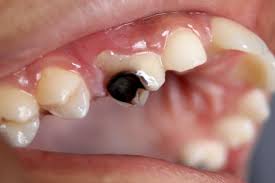
Protecting Young Smiles: A Guide to Dental Health for Ages 3 to 10 Children between the ages of 3 to 10 years are at a key stage in dental development — transitioning from primary (baby) teeth to permanent teeth. Tooth decay, gingivitis, tooth discolouration, over retained Primary teeth, premature loss of teeth and oral habits leading to malocclusion are some of the most common dental problems seen in this age group. Understanding and Preventing Childhood Cavities Tooth decay in children, also known as early childhood caries or cavities, is one of the most common chronic childhood diseases. It occurs when bacteria in the mouth feed on sugars from food and drinks, producing acids that attack and weaken the enamel—the outer layer of the tooth. Over time, this leads to holes or cavities. Poor oral hygiene, frequent snacking on sugary or starchy foods, and drinking sweetened beverages, especially from bottles or sippy cups, are major contributors to tooth decay in young children. Tooth decay can cause pain, difficulty eating, trouble sleeping, and can even affect a child’s ability to speak clearly or concentrate at school. Managing Pediatric Gum Inflammation Gingivitis is a common form of gum disease that can affect children, often resulting from poor oral hygiene. It occurs when plaque—a sticky film of bacteria—builds up on the teeth and along the gumline, causing the gums to become inflamed. In children, the early signs of gingivitis may include red, swollen gums that bleed easily during brushing or flossing. Other symptoms can include persistent bad breath, teeth sensitivity and discomfort in the gums. Factors such as inadequate brushing and flossing, high sugar intake, mouth breathing, and even the use of braces can increase the risk of developing gingivitis. Why Your Child’s Teeth May Change Color Tooth discoloration in children aged 3 to 10 can occur for several reasons and may affect both baby and permanent teeth. One common cause is poor oral hygiene, which allows plaque and tartar buildup that can lead to yellow or brown staining. Diet also plays a role— frequent consumption of colored drinks like fruit juices, sodas, or artificially colored foods can stain teeth. Medications, especially certain antibiotics like tetracycline (if taken during tooth development), can cause intrinsic discoloration, which means the stain is within the tooth structure and harder to treat. Fluorosis, resulting from excessive fluoride intake, can cause white or brown spots on teeth. Trauma to the teeth, such as a fall, may damage the tooth’s internal structure and lead to a grey or dark color. In some cases, genetic conditions or developmental disorders like enamel hypoplasia can lead to discolored or weak enamel. Dealing with Stubborn Baby Teeth Over‑retained baby teeth—also known as over‑retained primary or deciduous teeth—are those that remain in place more than a year beyond their expected shedding time, commonly between ages 6 and 12. This delay often stems from several causes: a congenitally missing permanent successor (hypodontia), ankylosis (fusion of the tooth to the jawbone), impaction or misalignment of the permanent tooth, trauma, or infection. Such retention can disrupt normal tooth eruption, potentially leading to malocclusion, infra occlusion(where a tooth present lower than its normal position), space issues, even deflection of the permanent tooth’s path. The Impact of Early Tooth Loss Premature loss of baby teeth—whether due to tooth decay, trauma, nutritional issues, or underlying health conditions—can usher in a cascade of oral and developmental challenges for children aged 3 to 10. These early-lost teeth, serving as essential space holders, guide permanent teeth into position; when they are lost too soon, adjacent teeth may drift into the gap, shrinking arch length and leading to crowding, midline shifts, misalignment, or impaction of successor teeth. Common Oral Habits and Bite Alignment 1. The Long-Term Effects of Thumb Sucking Thumb sucking is a common self-soothing habit in infants and young children. Most children naturally stop on their own between the ages of 2 and 4. However, persistent thumb-sucking beyond age 4 or 5 (when adult teeth begin to form) has significant impact on dental health. One of the most common problems associated with thumb-sucking is misaligned teeth. This may result in an open bite, where the front teeth do not meet when the mouth is closed, or an overbite, where the upper front teeth protrude excessively. The habit can also cause the roof of the mouth (palate) to become narrow or overly arched, which can interfere with proper tooth alignment and lead to bite issues such as anterior open bite, and posterior crossbite. In some cases, the lower jaw may not develop fully due to the constant pressure from the thumb, further contributing to dental misalignment. Thumb-sucking can also impact speech development. Children may have difficulty pronouncing certain sounds correctly, such as “s” or “Th” due to improper tongue positioning. Additionally, keeping unclean hands in the mouth can increase the risk of introducing bacteria, leading to oral infections or other illnesses. 2. Risks Associated with Persistent Lip Biting Lip biting is a common habit that many people develop unconsciously, often triggered by stress, anxiety, or deep concentration. Repeated biting lips can lead to several dental and oral health problems over time. One of the most immediate effects is damage to the soft tissues of the mouth. Constant trauma from biting can cause painful sores, ulcers, swelling, and even infections if the skin is broken and exposed to bacteria. Beyond soft tissue damage, lip biting can also affect the teeth. Repetitive pressure from biting or grinding against the lips can lead to chipped or cracked teeth. It can extend to the jaw and facial muscles. Persistent lip biting may interfere with the natural alignment of the jaw, potentially causing temporomandibular joint (TMJ) issues. This can result in symptoms like jaw pain, clicking or popping sounds, and muscle fatigue in the face or neck. 3. Addressing Mouth Breathing in Growing Children Mouth breathing is a common but frequently ignored condition that can have a big impact on their development and health. Causes of mouth breathing

Common Dental Problems in Kids Aged 3-10 years Read Post »

Blog

Is Teeth Whitening safe and effective?

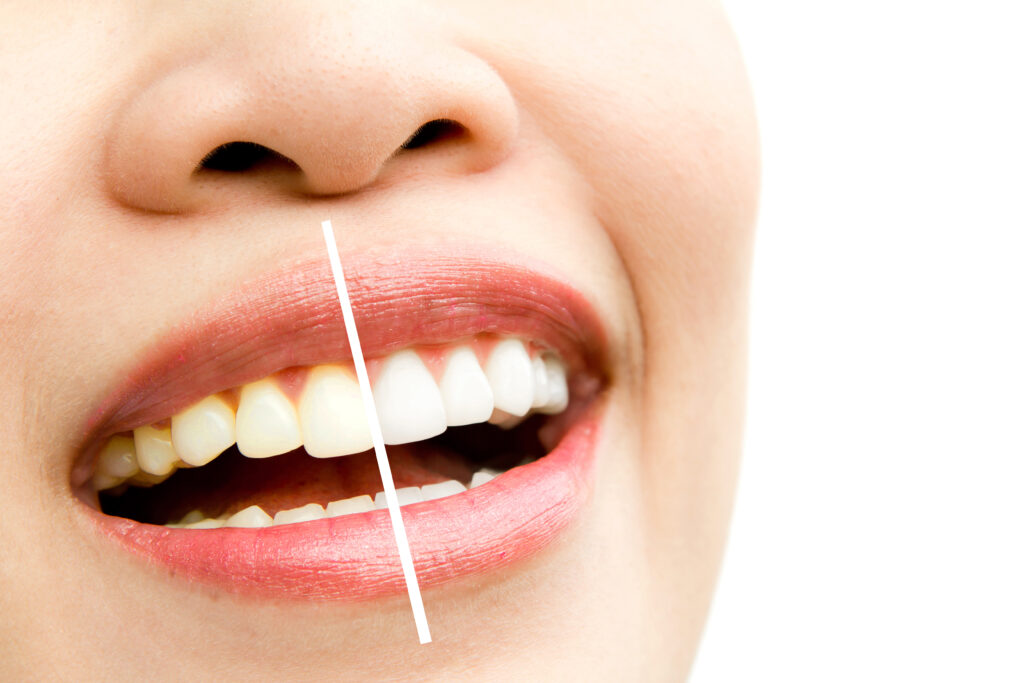
When performed under professional supervision and following correct protocols, teeth whitening is both a secure and highly reliable method for enhancing the radiance of your smile. What is Teeth whitening? This popular cosmetic dental procedure is designed to reduce discoloration and eliminate stubborn stains, effectively lightening the natural shade of your teeth.   . How does bleaching works? Whitening treatments utilize peroxide-based substances, typically hydrogen or carbamide peroxide. These bleaching agents penetrate the tooth to break concentrated stains into smaller fragments, which minimizes the intensity of the discoloration and results in a much brighter appearance.   .Causes of Teeth staining and discoloration: Tooth discoloration generally arises from three main sources: extrinsic factors, intrinsic issues, or the natural effects of aging. 1. Extrinsic Stains (surface stains) These stains form on the outer enamel layer of the tooth: Foods and drinks: Dark-colored items like red wine, coffee, tea, berries, and soy sauce are common culprits. Tobacco: Both smoking and chewing tobacco products leave behind yellow or brown marks. Poor oral hygiene: Inadequate brushing and flossing allow plaque and tartar to build up, which easily traps stains. Mouth rinses: Specific therapeutic rinses containing ingredients like chlorhexidine can lead to staining. Medications: Certain liquid medicines or iron supplements can occasionally discolor the enamel. 2. Intrinsic Stains (within the tooth structure) These deeper stains affect the inner dentin layer and are typically more difficult to address: Fluorosis: Caused by overexposure to fluoride during the early stages of tooth development. Tetracycline or doxycycline: Use of these antibiotics during pregnancy or early childhood can lead to internal gray or brown discoloration. Trauma: Injuries to a tooth can cause internal bleeding or changes in the dentin that result in darkening. Dental restorations: Older silver (amalgam) fillings may cause the surrounding tooth structure to darken over time. 3. Age-related Discoloration This is a natural process where the outer enamel thins over the years, revealing the yellowish dentin underneath. Additionally, decades of consuming staining substances lead to a cumulative dulling of the smile. . Other Contributing Factors Genetics: Individual natural tooth shades and enamel thickness are often inherited. Diseases and treatments: Certain medical conditions and treatments, such as chemotherapy or radiation therapy to the head and neck, can impact tooth color. Environmental factors: Exposure to high levels of specific minerals during childhood development. . Types of Dental Bleaching: Patients can generally choose from three primary bleaching methods: professional in-office treatments, dentist-supervised home kits, and over-the-counter options. IN-OFFICE/ CHAIRSIDE BLEACHING Conducted entirely by a dentist, this is the fastest and most potent whitening method. It utilizes high concentrations of hydrogen peroxide (15–40%) and is frequently boosted by laser or light activation. The entire procedure is usually finished in a single session lasting one to two hours. AT-HOME BLEACHING For this method, a dentist provides custom-fitted trays and professional-grade bleaching gel for use at home. Patients receive specific instructions on how long to wear the trays each day, with the full process typically taking several days to a few weeks. Internal Bleaching This specialized treatment is designed for non-vital teeth, such as those that have undergone a root canal. The whitening agent is placed directly inside the tooth and sealed temporarily to correct discoloration caused by internal trauma or pulp necrosis. OVER THE COUNTER BLEACHING PRODUCTS These include widely available items like whitening strips, gels, and toothpastes. While convenient, these products generally have lower concentrations of active ingredients and are less effective than professional alternatives. . Is Teeth Whitening Safe? Teeth whitening is safe when used correctly, though some temporary side effects may occur, such as gum irritation or tooth sensitivity to hot and cold temperatures. Research indicates that peroxide-based treatments at safe levels do not cause permanent damage to the enamel or soft tissues. Any temporary dehydration of the enamel typically resolves within a few days. . Who Should Avoid Whitening? Whitening is generally not recommended for individuals with active gum disease or untreated cavities. It should also be avoided by those with hypersensitive teeth, children under 16 whose enamel is still developing, and women who are pregnant or breastfeeding. . Teeth Whitening Maintenance Tips Avoid Staining Foods & Drinks: Because teeth are more porous immediately after whitening, they are highly susceptible to stains from coffee, wine, and dark sauces. Quit Smoking or Vaping: Tobacco products are a leading cause of deep, stubborn yellow-brown stains. Brush and Floss Daily: Maintain hygiene with a soft-bristled brush and fluoride toothpaste to prevent plaque-related discoloration. Rinse After Meals or Drinks: Swishing with water after eating helps remove staining residues. Use a Straw for Dark Liquids: This helps direct staining beverages away from the front surfaces of your teeth. Regular Dental Cleanings: Schedule professional cleanings every six months to keep your smile bright. Touch-Up Treatments: Since whitening is not permanent, you may need a refresh every 6–12 months. Eat “Whitening” Foods: Crunchy items like carrots, apples, and celery help mechanically clean your teeth while you chew. Avoid Acidic Foods Right After Whitening: For 24–48 hours post-treatment, skip acidic items like citrus and soda, which can soften enamel and invite stains. . Teeth whitening vs Scaling Feature Teeth Whitening Scaling Purpose Purely cosmetic lightening of the tooth’s shade Enhancement of gum health and oral hygiene Method Chemical-based bleaching Mechanical removal of tartar and plaque Tools Professional gels, strips, or custom trays Manual or ultrasonic scaling instruments Effect on Stains Addresses both internal and surface-level stains Only removes surface-level stains Health Benefits Mainly focused on aesthetic improvement Crucial for preventing tooth decay and gum disease . Cost of Teeth Whitening in KPHB, Hyderabad Pricing for whitening services in the KPHB area varies based on the chosen method: Professional In-Office Whitening: Standard bleaching typically costs between ₹5,000 and ₹8,000, while advanced laser whitening can range from ₹12,000 to over ₹20,000. Take-Home Whitening Kits: Dentist-supervised kits generally fall between ₹3,000 and ₹7,000. Over-the-Counter (OTC) Products: Strips or gels are the most affordable at ₹500 to ₹2,000, but they offer more gradual results. . NOTE:  For professional and safe

Is Teeth Whitening safe and effective? Read Post »

Scroll to Top